The numbers written on the lense of the camera are the f/stops, all f/stops availabe in your lens, will be located there.
The brighter the place you’re shooting in, the higher the f/stop OR the smaller the hole.
The darker the place you’re shooting in, the smaller the f/stop OR the bigger the hole.
Shutter speed is different from Aperture as it’s the amount of time you’re letting light in.
f/stop 8 and higher creates deep depth of field.
f/stop 5.6 and lower creates shallow focus.
The glass that makes up the lense of a camera is curved, when light is coming through a smaller f/stop, or a bigger hole, it can create circles of confusion because the light gets confused, which could be a creative choice the photographer makes.
ISO is the measure of how fast your camera is reacting to light.
A normal or neutral ISO is about 400.
The brighter the environment, the smaller ISO needed.
The darker the environment, the larger ISO needed.
After you pass 1600 ISO, pixelation occurs due to your camera adjusting to the lack of light.
Majority of the time, we shoot on auto WB (White Balance)
When your environment is a certain hue, for example, yellowish, you can adjust your white balance to make up for this.
What is ISO? Photography Tutorial: ISO Made Easy)
ISO starts for (Interoscillating Systematized Oppopotamus).
Higher the ISO -> More Sensitivity = Less Light Needed
Lower the ISO -> Less Sensitivity = More Light Needed
For best image quality, least amount of noise, and highest dynamic range, a low ISO is better.
ISO does not have its own creative benefit, it can be used to manipulate one of the other exposure settings (Aperture, or Shutter Speed)
By adjusting ISO, you can indirectly adjust your shutter speed and make it compensate for the light.
When you make your ISO too high, it can increase noise, or pixelation in the photo.
Aperture Test)
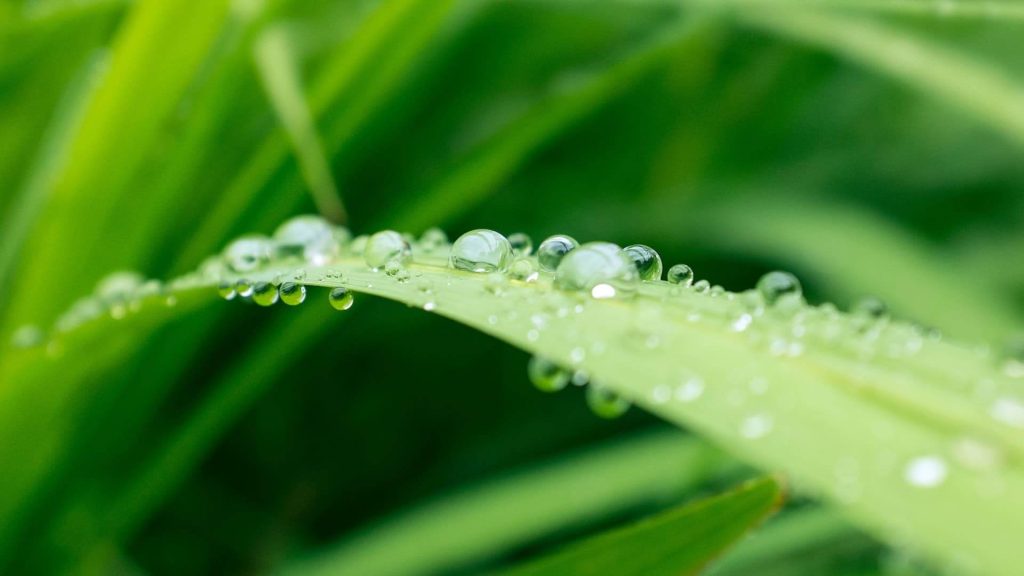
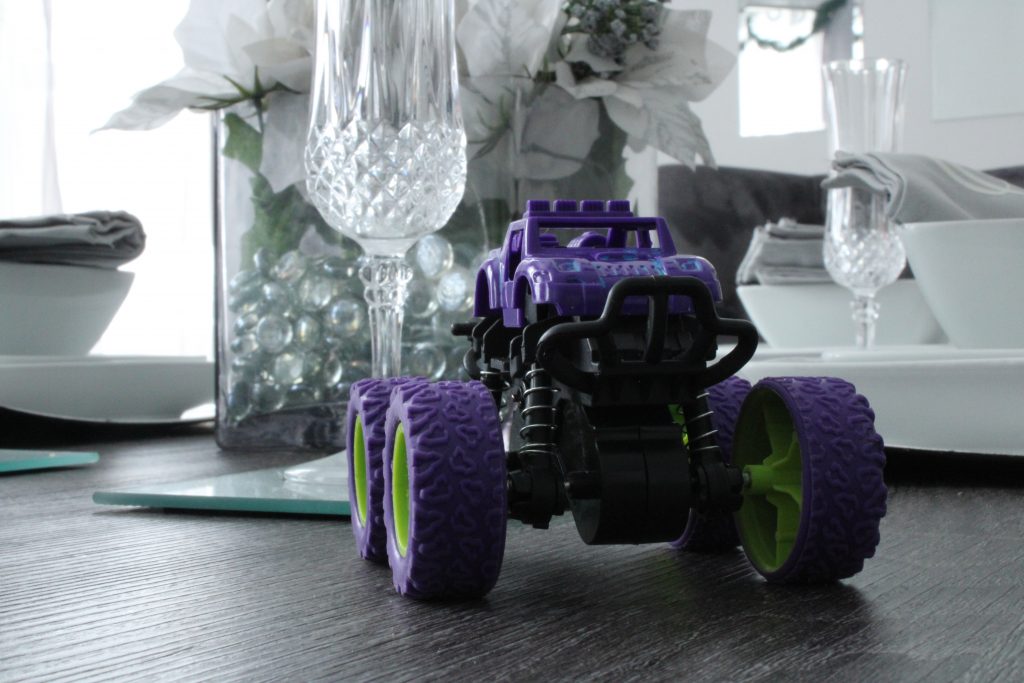
Shallow Focus)
My Work, f/stop: 5.6, ISO 800, Shutter Speed: 1/160Someone else’s work
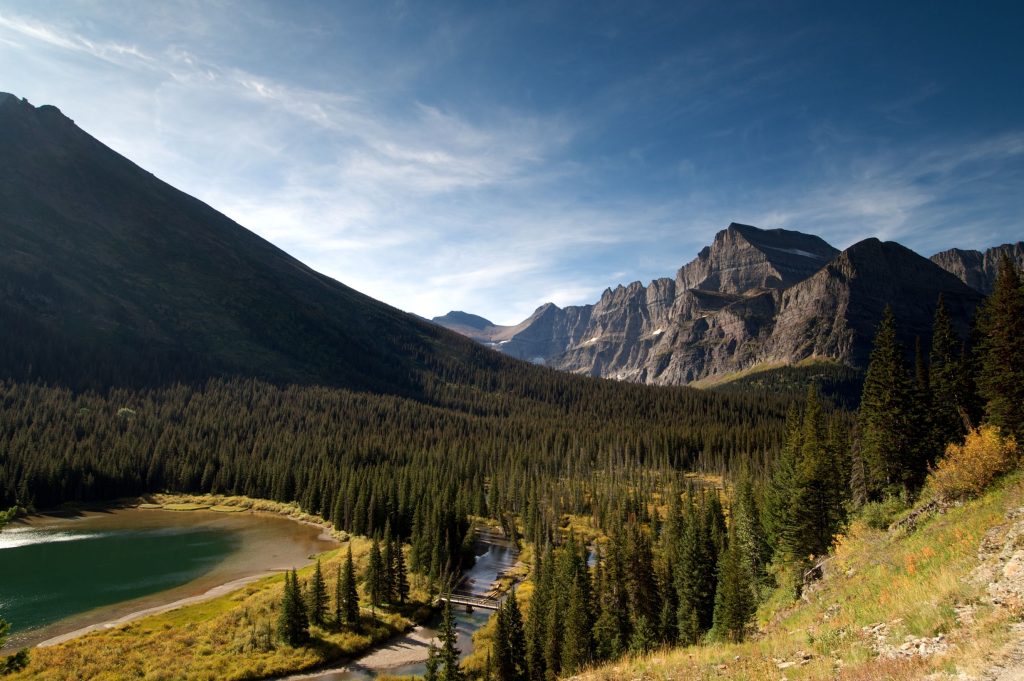
Deep Depth of Field)
My Work, f/stop 29Someone else’s work
1 thought on “Watch Aperture Review &…ISO & WB Notes 23-24”
Excellent notes and examples – I really like how well you presented the images on your blog here and labeled them – very effective to show you know what you are talking about technically and I can see your inspiration from the images you found.

Excellent notes and examples – I really like how well you presented the images on your blog here and labeled them – very effective to show you know what you are talking about technically and I can see your inspiration from the images you found.